
The Digital Revolution Transforming Modern Dentistry
The dental industry stands at the precipice of a technological renaissance, where cutting-edge innovations are revolutionising patient care and clinical outcomes. Smart technology has emerged as the cornerstone of modern dental practices, fundamentally altering how practitioners, such as a private dentist Manchester, diagnose, treat, and engage with their patients. This digital transformation extends far beyond simple computerisation, encompassing artificial intelligence, advanced imaging systems, and sophisticated treatment modalities that were once confined to the realm of science fiction.
Contemporary dental practices are increasingly adopting these technological marvels to enhance precision, reduce treatment times, and improve overall patient satisfaction. The integration of smart technology represents a paradigm shift from traditional reactive treatment approaches to proactive, preventive care models that prioritise early detection and intervention.
Revolutionary Diagnostic Tools Enhancing Patient Care
Digital imaging technology has transformed diagnostic capabilities within dental practices, offering unprecedented clarity and detail in patient assessments. Three-dimensional cone beam computed tomography (CBCT) scanners provide comprehensive views of oral structures, enabling practitioners to identify potential issues with remarkable accuracy before they become problematic.
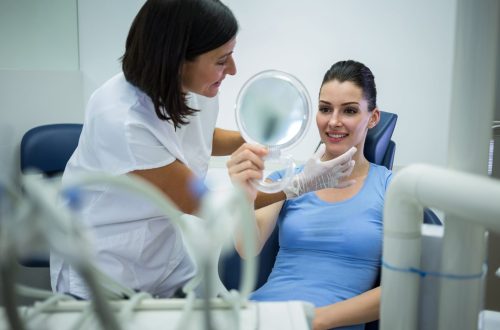
Intraoral cameras have become indispensable tools for patient education and treatment planning. These sophisticated devices capture high-resolution images of the oral cavity, allowing both practitioners and patients to visualise conditions in real-time. The ability to share these images instantly facilitates better communication between dental professionals and their patients, fostering a collaborative approach to treatment decisions.
Artificial intelligence algorithms are increasingly being employed to analyse radiographic images and identify potential abnormalities that might escape human detection. These systems continuously learn from vast databases of dental imagery, improving their diagnostic accuracy over time and serving as valuable second opinions for complex cases.
Smart Treatment Technologies Improving Clinical Outcomes
Laser dentistry represents one of the most significant advances in minimally invasive treatment approaches. These precision instruments can perform various procedures with reduced discomfort, faster healing times, and minimal bleeding compared to traditional methods. From soft tissue procedures to cavity preparation, laser technology offers patients a more comfortable experience while maintaining exceptional clinical results.
Computer-aided design and manufacturing (CAD/CAM) systems have revolutionised restorative dentistry by enabling same-day crown and filling fabrication. Patients can now receive custom-made restorations during a single appointment, eliminating the inconvenience of multiple visits and temporary solutions. This technology ensures optimal fit and aesthetics whilst significantly reducing treatment duration.
Digital Workflow Management and Practice Efficiency
Practice management software has evolved into comprehensive digital ecosystems that streamline administrative processes whilst enhancing patient communication. These intelligent systems manage appointment scheduling, treatment planning, and patient records with remarkable efficiency. Automated reminder systems reduce missed appointments, whilst integrated communication platforms enable seamless interaction between patients and dental teams.
Electronic health records (EHRs) facilitate better coordination of care, particularly when patients require specialist referrals or collaborative treatment approaches. The ability to share detailed treatment histories and diagnostic images instantaneously improves continuity of care and reduces the likelihood of treatment complications or oversights.
Patient Experience Enhancement Through Technology
Virtual reality and augmented reality technologies are beginning to transform patient experiences, particularly for those with dental anxiety. These immersive technologies can transport patients to calming environments during procedures, significantly reducing stress levels and improving overall comfort. Some progressive practices are implementing these solutions to create more relaxing treatment environments.
Mobile applications and patient portals have revolutionised how individuals engage with their dental care. Patients can now access treatment plans, view appointment schedules, and communicate with their dental teams from the convenience of their smartphones. Many experienced practitioners are leveraging these digital platforms to maintain stronger relationships with their patients between visits.
Teledentistry has emerged as a valuable tool for initial consultations and follow-up appointments, particularly beneficial for patients with mobility limitations or those living in remote areas. This technology enables dental professionals to provide preliminary assessments and advice without requiring physical presence, improving accessibility to dental care.
The Future Landscape of Smart Dentistry
Emerging technologies continue to push the boundaries of what’s possible in dental care. Advanced AI systems for enhanced oral health diagnostics are becoming increasingly sophisticated, whilst innovative smart dental technologies are continuously evolving patient experiences. These developments promise even more personalised and effective treatment approaches in the coming years.
Embracing the Future of Dental Excellence
The integration of smart technology in dental practices represents more than mere modernisation; it embodies a commitment to providing superior patient care through innovation. As these technologies continue to evolve, dental professionals who embrace these advances will be better positioned to deliver exceptional outcomes while creating more comfortable and efficient treatment experiences for their patients.